Drifting Through Red Rock: Calm River Floats and Wildlife Watching in Southern Utah
Embracing the Quiet Rhythm of Southern Utah Flatwater
Southern Utah is often presented through the language of extremes: whitewater drops, strenuous canyon hikes, and sunrise starts engineered around a full day of adventure. Yet the region offers another, quieter kind of grandeur. On a calm river float, the landscape does not rush past in a blur. It unfolds gradually, revealing rust-colored cliffs, pale desert benches, cottonwood groves, and long reflections that shift with every stroke of the paddle.
The Green and Colorado rivers have carved some of the most dramatic corridors in the American Southwest, but experiencing them does not require technical boating skills or an appetite for adrenaline. A canoe, touring kayak, or stable paddleboard can carry you gently beneath towering walls while the current sets an unhurried pace. For families, active retirees, couples, and wildlife enthusiasts, this is outdoor travel at its most restorative. When planning gentle river journeys through scenic stretches, discovering specialized local water excursions can provide the ideal foundation for an effortless getaway, particularly when local guidance, shuttles, and equipment simplify the details.
Labyrinth Canyon and the Serene Flow of the Green River
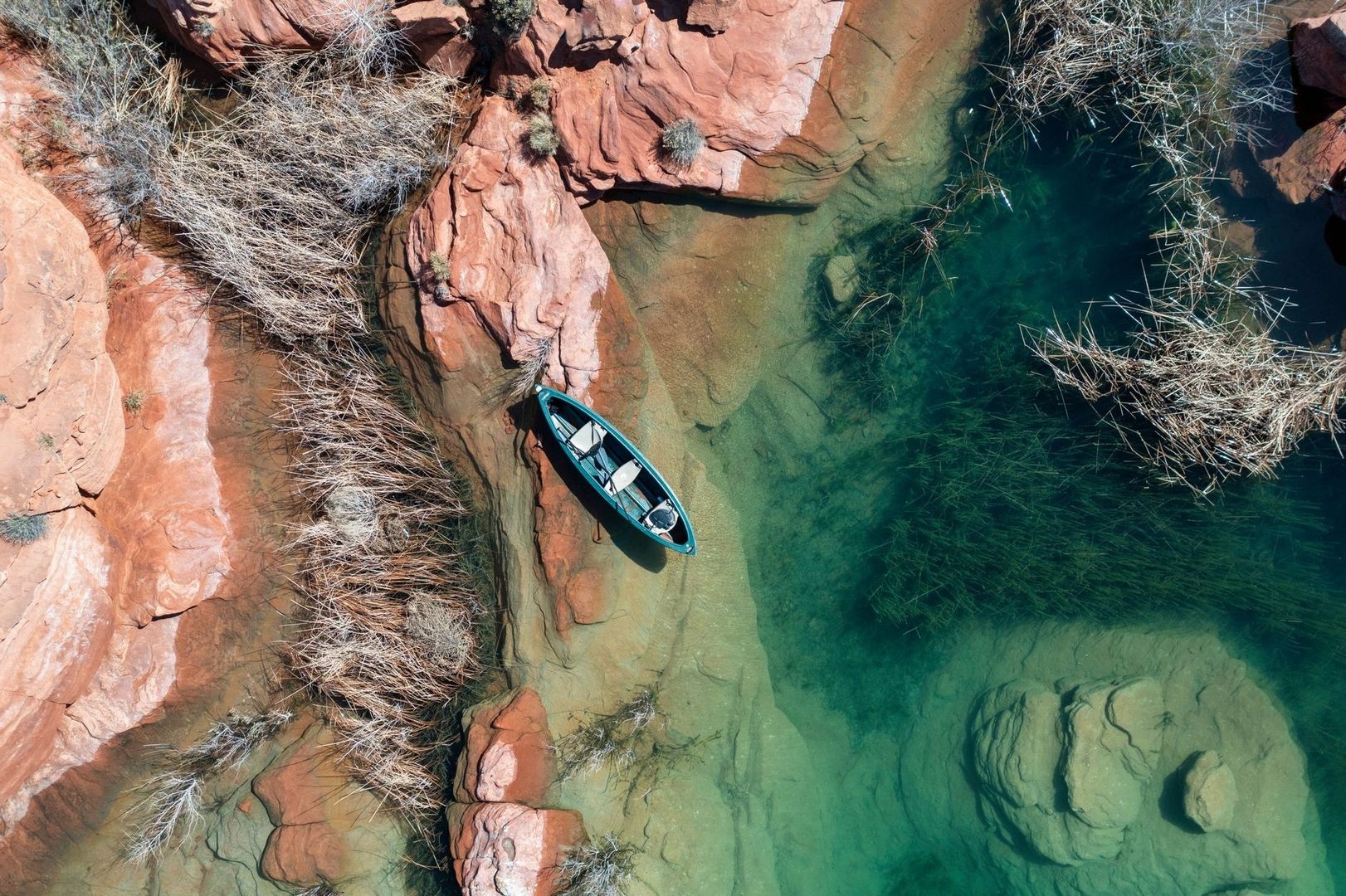
Labyrinth Canyon is the classic setting for a Southern Utah flatwater journey. The most approachable section runs from Ruby Ranch to Mineral Bottom, a route of approximately 45 miles, while the full stretch from Green River, Utah, to Mineral Bottom covers roughly 68 river miles. The Bureau of Land Management describes this lower Green River corridor as an easy flatwater route suitable for canoes, kayaks, and rafts from spring through mid-fall. A standard trip generally takes three to four days, although a shorter itinerary from Ruby Ranch allows travelers to focus on the most intimate canyon scenery.
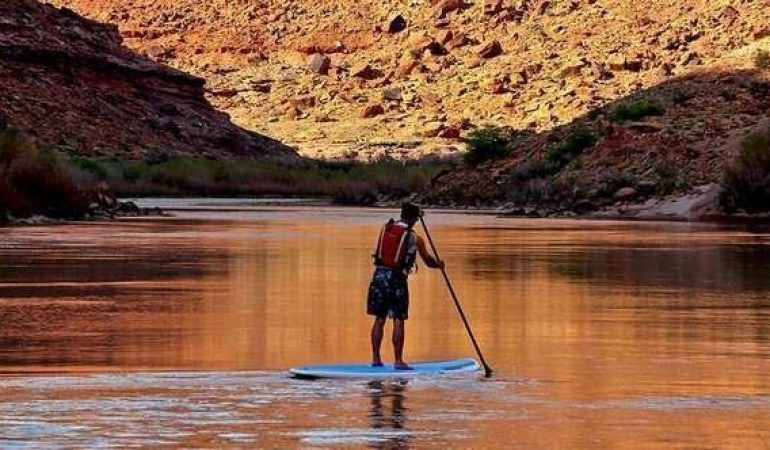
The river is swift enough to provide steady assistance but generally lacks technical rapids and portages. That distinction changes the entire character of the trip. Instead of concentrating on boat control, you can watch Wingate and Navajo sandstone amphitheaters emerge around each bend, pause beside a sandy bank, or let a canoe drift while a canyon wren calls from the rocks. Stand-up paddleboards offer an especially immersive vantage point on calm mornings, while touring canoes make it easier to carry comfortable camp equipment, coolers, and provisions for several nights.
A thoughtfully paced itinerary treats the river as the destination rather than merely a route between launch and takeout. Mornings are often the best time for longer paddling, before desert winds build and the sun intensifies. Afternoons can be reserved for a shaded bank lunch, a short walk into a side canyon, or a quiet swim where conditions are appropriate. A three-night journey allows more time for geological observation, photography, and camp setup, while a faster two-night descent is possible for well-prepared paddlers. The route remains remote, however, with limited access, no reliable cell service in the canyons, and few opportunities to resupply.
- Ruby Ranch to Mineral Bottom: A scenic approximately 45-mile option for a shorter Labyrinth Canyon trip, subject to private-launch arrangements.
- Green River to Mineral Bottom: A roughly 68-mile journey that typically requires at least three to four days.
- Spanish Bottom extension: A longer lower Green River experience that demands additional planning, time, and logistical support.
For travelers who prefer comfort over speed, a support raft or professional shuttle can make a meaningful difference. It can carry bulkier provisions, reduce the pressure to pack ultralight, and leave more energy for enjoying the canyon. Commercial shuttle providers may also assist with vehicle positioning, a particularly valuable service when the Mineral Bottom road becomes slick or difficult after rain.
Water-Level Literacy and Checking Real-Time Flow Data
River terminology can seem technical at first, but one measurement matters more than most for a flatwater trip: cubic feet per second, commonly abbreviated as cfs. This figure describes the volume of water moving past a point each second. It does not tell you everything about a river, but it provides useful context. Higher flows may increase current speed and alter eddies, sandbars, and landing areas. Lower flows can expose more shoreline while requiring additional paddling in slower sections.
Seasonal patterns are equally important. Snowmelt runoff typically reaches its peak from late May through mid-June, bringing stronger currents and changing river edges. July and August offer long days but also intense heat and frequent afternoon thunderstorms. Late summer and autumn can bring a more measured rhythm, with cooler mornings and generally gentler conditions, although wind, storms, and local river dynamics still deserve close attention. The Green River may feel tranquil while afternoon gusts create waves that make an inflatable SUP unexpectedly demanding, so early starts remain one of the most reliable habits on the water.
Before departure, verify current conditions through the USGS monitoring station at Green River. The station provides current and historical water information, allowing paddlers to compare recent discharge with seasonal patterns. The broader USGS Water Data for the Nation system also supports map searches, historical records, weather-related information, and alerts through WaterAlert. Treat gauge information as one planning tool rather than a complete safety assessment, since wind, temperature, route familiarity, boat type, and group experience all affect the day on the river.
| Seasonal period | Typical character | Planning emphasis |
|---|---|---|
| Late spring to mid-June | Snowmelt runoff, stronger current, changing banks | Review discharge, launch conditions, and paddling ability |
| July and August | Hot days, potential afternoon thunderstorms | Start early, carry ample water, monitor weather |
| Early to mid-fall | Cooler mornings and often gentler floating conditions | Prepare for shorter daylight and variable wind |
Permits are required for Labyrinth Canyon, and the trip leader should carry a copy of the submitted permit while following every stated condition. The BLM also emphasizes that groups must be self-contained, carry drinking water, check fire restrictions, and prepare for a remote environment. A whistle, spare paddle, personal flotation device, navigation tools, first-aid supplies, and reliable sun protection are essential even on calm water. Flatwater means fewer technical obstacles, not fewer consequences when weather or logistics are overlooked.
Encounters Along the Shoreline and Desert Wildlife Watching
The shoreline is where the river”s quieter rewards become visible. Desert bighorn sheep may appear high on sheer talus slopes, moving with remarkable confidence across terrain that seems impossible from below. In other places, they may graze near riparian willows or disappear behind a fold in the canyon before a camera can be lifted. Their presence is easiest to appreciate when the boat remains still and the group allows the landscape to regain its natural silence.
Birdlife provides a more frequent and varied spectacle. Great blue herons often stand motionless near shallow edges before lifting into a slow, powerful flight. Peregrine falcons may patrol the cliffs, while canyon wrens announce themselves with descending songs from rocky walls. Riparian corridors also attract seasonal migratory songbirds, particularly where cottonwoods and willows create pockets of shade and food in an otherwise austere desert environment. A compact pair of binoculars and a telephoto lens can add depth to the experience without requiring an elaborate gear setup.
Wildlife watching from a stable canoe or paddleboard rewards restraint. Approach slowly, maintain generous distance, and avoid following animals when they move away. Keep voices low, turn off music, and allow the current to carry the boat past rather than paddling directly toward a nest, watering area, or resting animal. Early morning offers the most comfortable temperatures and often the best light, while the final hour before sunset can bathe cliffs and shorelines in warm gold. The soft angle of the light is ideal for photography, but the welfare of the animal should always take priority over a closer image.
- Carry binoculars, a quiet camera strap, and a lens suitable for distant subjects.
- Use the current and shoreline eddies to observe without repeated hard strokes.
- Keep a respectful distance from nests, lambs, roosting birds, and animals at the water”s edge.
- Plan sunrise or late-afternoon floating for cooler temperatures and richer canyon light.
Curating an Elegant and Low-Impact Floating Itinerary
A seamless river escape begins well before the launch. Vehicle shuttles, permits, road conditions, boat selection, and water storage should be settled in advance, particularly for groups arriving through Green River or Moab. Mineral Bottom is reached by a long dirt road that may become slick or impassable when wet, and high-clearance, preferably four-wheel-drive vehicles are recommended. A professional shuttle can remove much of the logistical friction, allowing the group to focus on the river rather than coordinating multiple vehicles after several days in the canyon.
Boat choice should reflect the desired pace and the amount of equipment involved. A touring canoe is comfortable for couples or small groups carrying generous provisions, while a recreational sea kayak offers efficient tracking and a secure enclosed cockpit. An inflatable SUP is light, versatile, and wonderfully intimate on calm mornings, but it is more exposed to wind and leaves less room for supplies. Anyone using a paddleboard should carry a leash appropriate to the conditions, a personal flotation device, a whistle, and a spare paddle.
- Confirm the route and permit: Select the launch and takeout, submit the required permit, review conditions, and share the itinerary with a responsible person outside the trip.
- Arrange transportation: Book a shuttle or position vehicles carefully, checking the Mineral Bottom road after recent rain and confirming access requirements.
- Choose the boat for the journey: Match capacity, stability, storage, and wind performance to the group rather than choosing solely by weight or appearance.
- Plan daily distances: Paddle early, leave room for bank lunches and wildlife observation, and build a weather buffer into the schedule.
- Pack for self-sufficiency: Carry drinking water, food, first-aid supplies, navigation tools, repair materials, sun protection, and all required waste systems.
Comfort and low impact can coexist when camp is designed thoughtfully. Sandy river bars may offer beautiful sleeping areas beneath open skies, but every campsite should be treated as a temporary privilege. Follow Leave No Trace principles, use portable toilets where required, contain fires in approved fire pans when fires are permitted, and pack out every item brought into the canyon. River silt can quickly clog filters, so drinking water should be carried in sufficient quantity and filtration systems should be selected with sediment in mind.
Small sensory comforts make a noticeable difference after a day on the water. A lightweight shade structure, supportive sleeping system, dry clothing reserved for camp, insulated mugs, and a compact lantern can transform a basic riverside stop into a calm retreat. Add a broad-brimmed hat, sunglasses, high-quality sunscreen, lip protection, sun gloves, and layers for cool mornings. The ideal packing list protects attention, energy, and comfort without allowing equipment to overwhelm the simplicity of the river.
Step Into the Timeless Current of the Canyon Country
A gentle float through Southern Utah offers a physical and mental reset that is difficult to reproduce on a hurried sightseeing itinerary. The repetitive movement of the paddle, the measured drift of the current, and the changing scale of the canyon encourage attention to details that are easily missed from a road or trail. A heron lifting from a willow, a falcon circling above a shadowed wall, or the changing color of sandstone becomes part of the day”s natural rhythm.
To see red-rock country from water level is to experience it with unusual intimacy. With sensible preparation, careful flow checks, and respectful wildlife practices, Labyrinth Canyon and the lower Green River become more than scenic backdrops. They become a restorative journey shaped by silence, geology, and time. Trade hurried sightseeing for an unhurried river voyage, and let Southern Utah reveal its most memorable beauty one calm bend at a time.